The vr6 engine engineering that makes cars efficient
Wiki Article
Discover the Power of the VR6 Engine: A Comprehensive Introduction
The VR6 engine sticks out in the automobile globe due to its unique style and outstanding capacities. With a slim angle and a small kind, it properly incorporates the benefits of V and inline setups. Its power variety and progressed innovations add to both effectiveness and performance. As the discussion unravels, the various facets of the VR6 will certainly reveal why it continues to capture the passion of manufacturers and fanatics alike.
The Special Design of the VR6 Engine
The VR6 engine is renowned for its unique configuration, which combines the advantages of both V and inline engines. This layout includes a slim angle in between the cyndrical tube financial institutions, normally around 15 degrees, permitting a more portable engine format. Unlike traditional V engines, the VR6 keeps a solitary cyndrical tube head, simplifying maintenance and lowering weight. This distinct setup enables a smooth procedure, generating a balanced power shipment that is characteristic of inline engines. The VR6's architecture gives flexibility in lorry layout, suitable into tighter rooms than traditional V engines, while still offering outstanding performance. Therefore, the VR6 has actually gained appeal among automobile fanatics and makers alike, commended for its cutting-edge blend of effectiveness and power.Secret Functions and Specs
Amongst the standout attributes of the VR6 engine are its impressive specs and features that add to its efficiency and efficiency. The engine commonly includes a portable layout, real estate 6 cyndrical tubes in a narrow-angle V setup, permitting a much shorter overall length contrasted to traditional inline or V engines. With displacements varying from 2.8 to 3.6 litres, the VR6 engine makes use of a special firing order that boosts smoothness and balance. It frequently integrates advanced modern technologies, such as variable shutoff timing and direct fuel injection, to maximize gas performance and lower exhausts. In addition, the VR6 is known for its durable construction, which incorporates light-weight products with high resilience, making sure integrity throughout numerous driving conditions while maintaining a beneficial power-to-weight ratio.Performance Metrics and Power Result
Efficiency metrics of the VR6 engine showcase its ability to deliver outstanding power outputs while maintaining efficiency. Generally set up with a displacement varying from 2.8 to 3.6 litres, the VR6 engine can create between 150 to over 300 horse power, depending upon the details version and tuning. Its one-of-a-kind 15-degree V-angle permits compact style without giving up power, causing a responsive and smooth driving experience. Torque numbers additionally highlight the engine's efficiency, usually going beyond 200 lb-ft, offering durable velocity throughout various RPMs. Moreover, the VR6's engineering allows it to achieve extensive gas economy, making it a functional option for both performance enthusiasts and day-to-day vehicle drivers. Generally, the VR6 engine masters providing a harmonious blend of effectiveness, performance, and power.Engine Versions and Their Applications
The VR6 engine family includes numerous variations, each created to accommodate particular efficiency requirements and vehicle types. These engines demonstrate convenience across a variety of applications, from flashy sports cars to practical sedans. Comprehending the compatibility of these variations with various lorries highlights their significance in the auto landscape.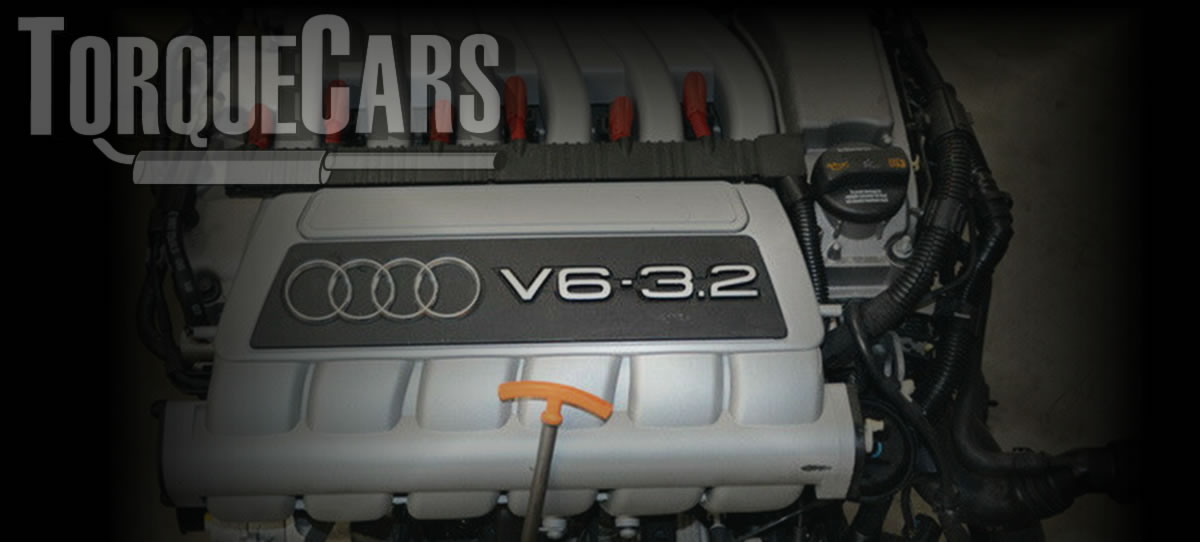
VR6 Engine Variants
VR6 engine variations display a distinct mix of design technology and flexibility, making them prominent across various automotive applications. The primary arrangements consist of the 2.8 L and 3.2 L engines, each created to fulfill various performance and efficiency criteria. The 2.8 L version, typically found in models like the Volkswagen Golf and Passat, is known for its balance of power and fuel economic climate. On the other hand, the 3.2 L variation, used in lorries such as the Audi TT and Volkswagen R32, supplies boosted efficiency characteristics. In addition, these engines can be equipped with different adjusting alternatives, further expanding their flexibility. In general, VR6 variations satisfy a varied variety of cars, making sure an all-round driving experience for lovers and everyday drivers alike.
Efficiency Applications

Vehicle Compatibility
Numerous automobile designs have actually efficiently incorporated the VR6 engine, showcasing its compatibility across various vehicle systems. Created by Volkswagen, the VR6 engine has located applications in different designs, including the Volkswagen Golf, Passat, and the Audi A3. These lorries gain from the engine's small layout, which permits reliable product packaging in smaller engine bays while More Bonuses offering robust performance. Furthermore, the VR6 has been utilized in the Volkswagen Touareg and the Audi Q7, where it provides an equilibrium of power and efficiency for larger SUVs. With variations such as the 2.8 L and 3.6 L, the VR6 engine has shown versatility, satisfying both performance-oriented and everyday driving needs throughout a broad spectrum of automobiles.The VR6's Function in Popular Lorry Designs
The VR6 engine has actually made a considerable impact across different famous Volkswagen versions, showcasing its special layout and efficiency. Furthermore, its application in Audi automobiles highlights the engine's versatility and ability in providing power. The VR6's visibility in motorsport further solidifies its credibility as a high-performing and dependable engine choice.Iconic Volkswagen Designs
Volkswagen's VR6 engine has come to be associated with a number of legendary designs that have left a lasting influence on automobile society. The engine made its debut in the 1991 Volkswagen Corrado, charming enthusiasts with its unique style and remarkable efficiency. Following this, it powered the precious Volkswagen Golf and the trendy Passat, both of which got a reputation for their blend of power and practicality. The VR6 also located its way right into the flashy Volkswagen Jetta, enhancing its appeal amongst performance-oriented vehicle drivers. These versions not just showcased the flexibility of the VR6 engine however also strengthened Volkswagen's placement in the market as a maker of engaging and vibrant automobiles, even more shaping the brand name's heritage in the vehicle world.Efficiency in Audi Autos
Largely linked with Volkswagen, the VR6 engine has additionally played a substantial role in boosting the efficiency of different Audi models. Presented in the very early 1990s, the VR6 powered designs such as the Audi A4 and A6, giving a blend of power and smooth operation. The engine's unique layout, with its portable size and V-shaped arrangement, enabled Audi engineers to maximize both performance and taking care of dynamics. In the A4, the see here VR6 provided an exciting driving experience, defined by responsive velocity and durable torque. Similarly, the A6 gained from the engine's equilibrium of power and refinement, interesting lovers seeking a spirited yet comfortable adventure. Generally, the VR6 has actually added to Audi's credibility for performance-oriented high-end cars.Tradition in Motorsport
While several engines have actually made their mark in motorsport, the VR6 sticks out for its unique mix of power and small design, making it a favored among various competing enthusiasts. This engine's distinct configuration has actually been leveraged in numerous legendary versions, such as the Volkswagen Golf and the Audi TT. Its flexibility enables excellent handling and performance, making it suitable for both street and track applications. In motorsport, the VR6 has actually completed effectively in various groups, consisting of rally and touring automobile competitors. Its capability to deliver high torque at lower RPMs boosts acceleration, while the compact dimension enables suitable weight distribution. This mix of features has strengthened the VR6's heritage as a noticeable player in automotive auto racing background.Advantages and Downsides of the VR6 Engine
The VR6 engine supplies an unique blend of benefits and negative aspects that warrant careful consideration. Among its key benefits is its portable style, enabling a smaller sized engine bay while still supplying impressive power and torque. This arrangement contributes to better taking care of characteristics in vehicles. Additionally, the VR6's smooth procedure enhances driving comfort. Nonetheless, there are remarkable disadvantages, including intricate engineering and possible upkeep challenges. The distinct layout can complicate repairs, causing greater service expenses. Some enthusiasts say that the engine's fuel efficiency might not be as competitive as various other contemporary choices. Inevitably, the VR6 engine provides an unique choice that stabilizes efficiency and functionality versus potential disadvantages regarding upkeep and effectiveness.The Future of the VR6 and Automotive Innovation
As vehicle advancement remains to progress, the future of the VR6 engine stays a subject of rate of interest amongst lovers and producers alike. With growing needs for efficiency and sustainability, the VR6 deals with difficulties in an age increasingly concentrated on electrification. Its compact design and special arrangement might still use benefits in crossbreed applications, preserving importance in an affordable market. Makers are exploring ways to incorporate advanced modern technologies, such as turbocharging and direct injection, to enhance efficiency while reducing exhausts. Furthermore, the capacity for the VR6 to coexist with electric powertrains might bring about cutting-edge crossbreed systems. Inevitably, the future of the VR6 will rely on its ability to adapt to the altering landscape of auto engineering and customer preferences.Regularly Asked Concerns
Exactly how Does the VR6 Engine Contrast to Inline and V Engines?
The VR6 engine offers a compact style with a distinct angle between cyndrical tubes, giving an equilibrium of power and level of smoothness (vr6). Compared to inline and V engines, it combines advantages of both while lessening space needsWhat Upkeep Is Required for a VR6 Engine?
Routine upkeep for a VR6 engine consists of oil changes, timing belt replacements, coolant checks, and air filter examinations. Making certain proper fuel high quality and surveillance for leaks additionally add to the engine's long life and performance.Are There Usual VR6 Engine Troubles to Be Conscious Of?
Common VR6 engine troubles consist of oil leaks, timing chain concerns, and ignition coil failures. Furthermore, getting too hot and extreme oil intake are worries that proprietors should keep an eye on to keep peak performance and longevity of the engine.
Can I Exchange a VR6 Engine Into Other Vehicles?
Yes, a VR6 engine can be switched right into different cars, particularly compatible versions from Volkswagen and Audi (vr6). Nevertheless, modifications might be needed for correct fitment, wiring, and integration with various other lorry systems for peak efficiencyWhat Is the Price of a VR6 Engine Replacement?
The price of a VR6 engine substitute commonly ranges from $2,500 to $5,000, relying on elements like labor, location, and whether the engine is new or used, influencing the general expenditure substantially.The VR6 engine is renowned for its distinct setup, which incorporates the advantages of both V and inline engines. The engine usually includes a small layout, housing six cylinders in a narrow-angle V setup, permitting for a much shorter overall length contrasted to conventional inline or V engines. Performance metrics of the VR6 engine showcase its ability to provide remarkable power outputs while maintaining efficiency. The VR6 engine family members is visit the website composed of numerous versions, each designed to cater to particular performance demands and automobile types. These automobiles profit from the engine's small layout, which permits for effective product packaging in smaller sized engine bays while providing durable efficiency.
Report this wiki page